
Sale!
Original price was: $175.00.$94.99Current price is: $94.99.
- Online customer care, always here for you.
- SSL encryption, absolutely safe shopping
- Free Shipping, Quality Goods
- Safe and Secure Shopping

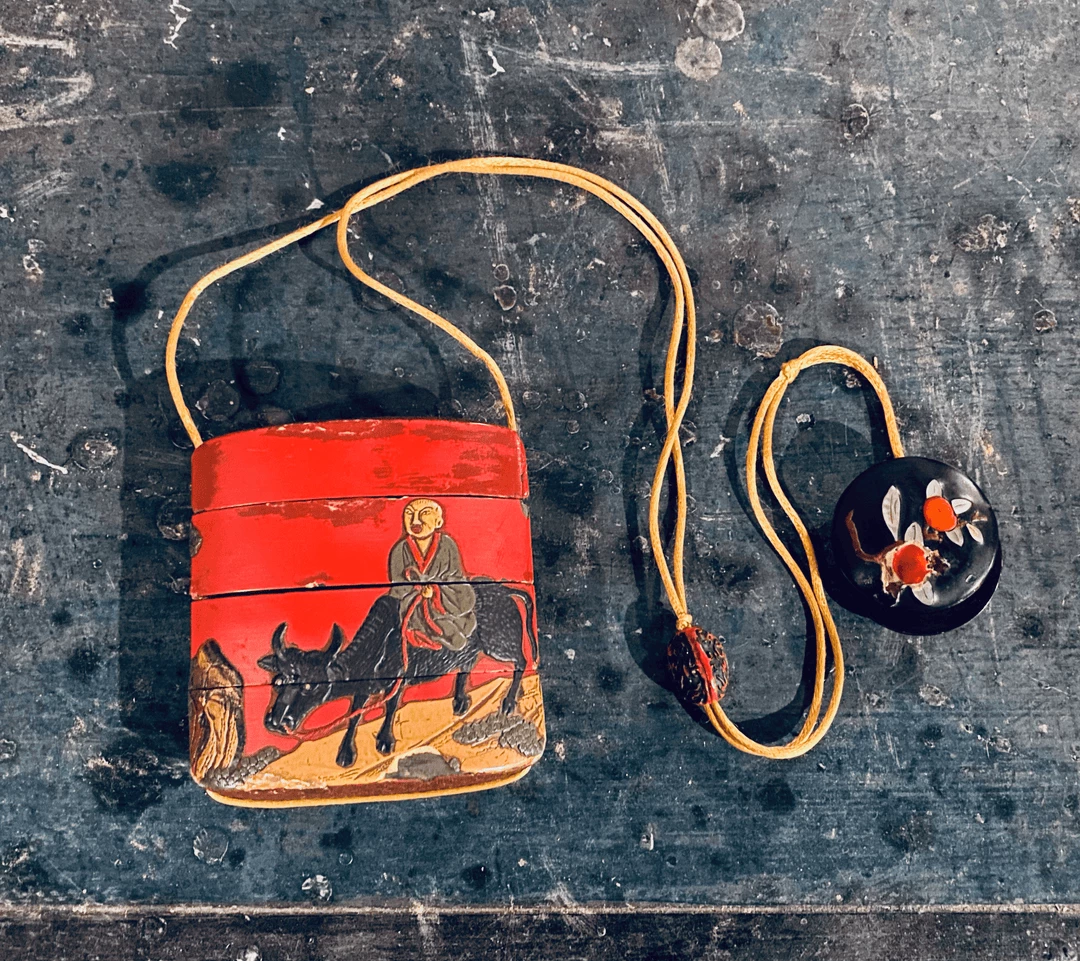
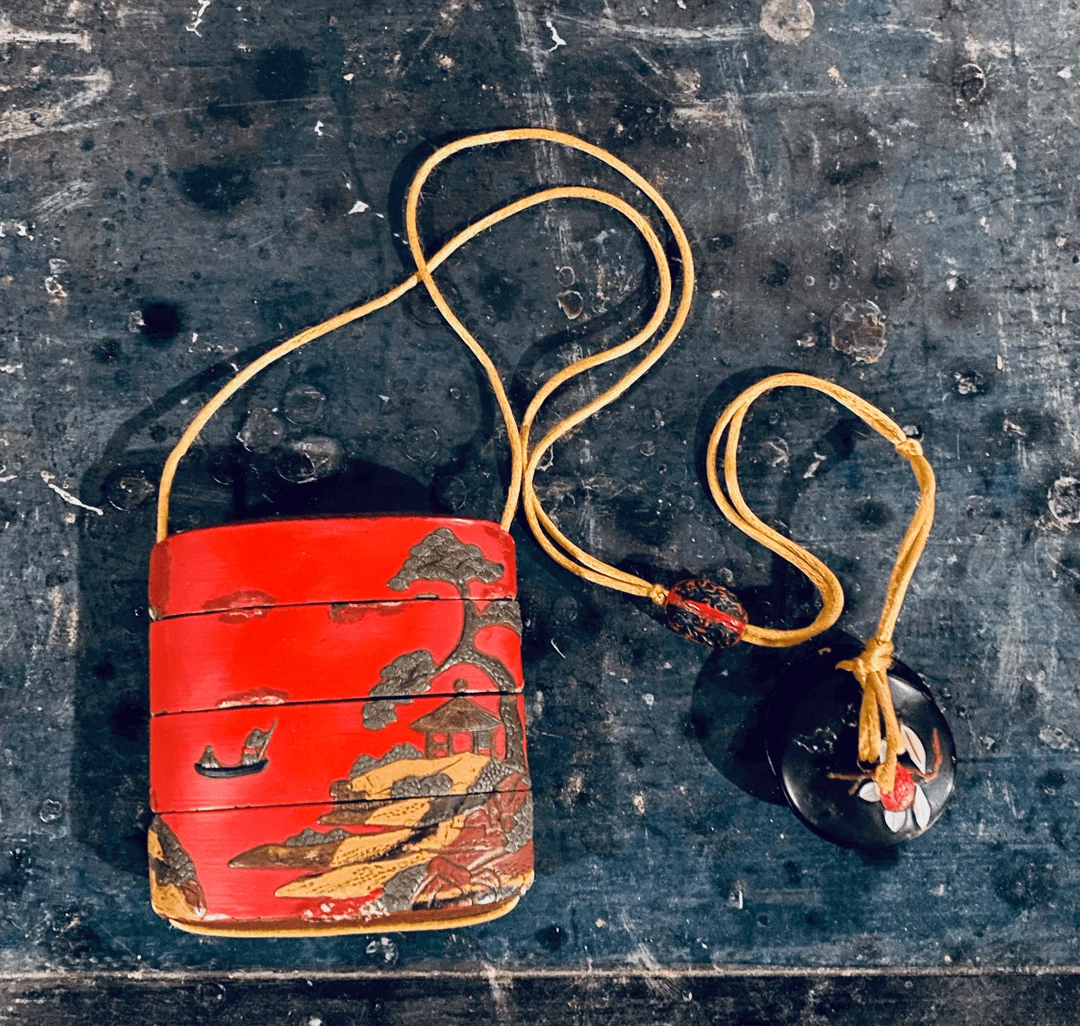
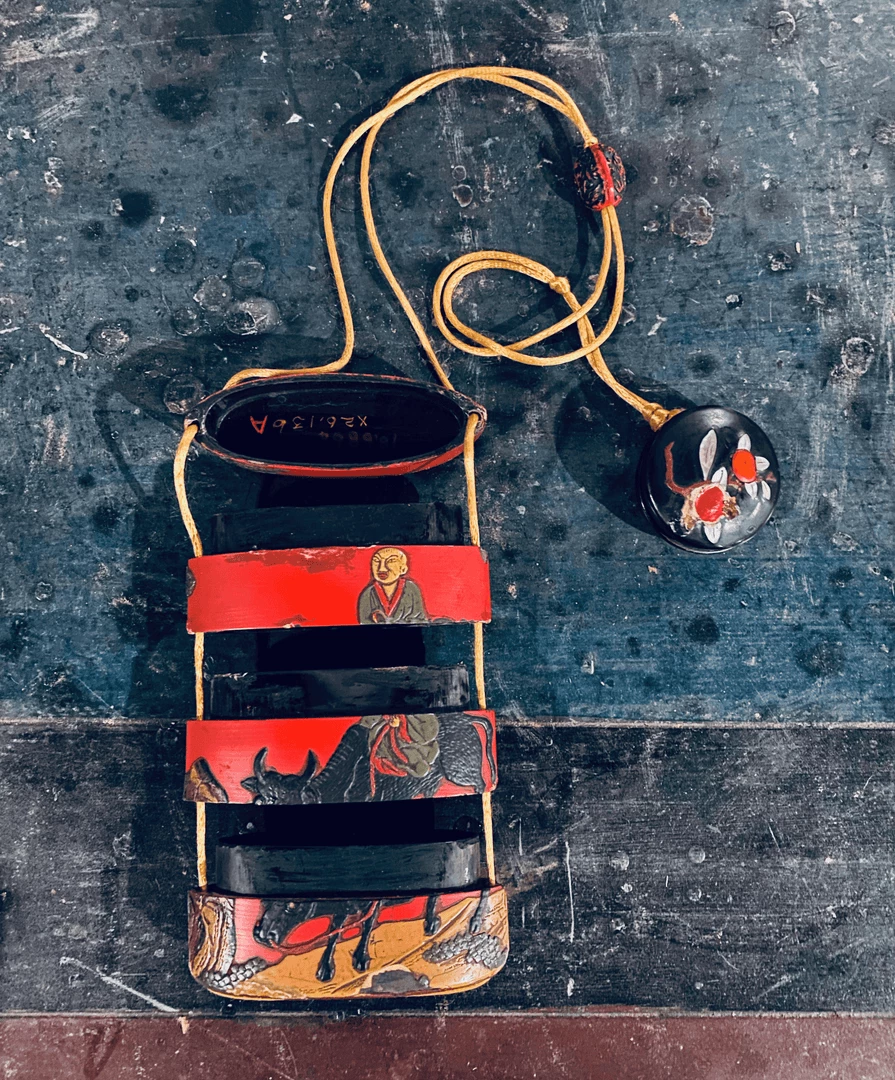
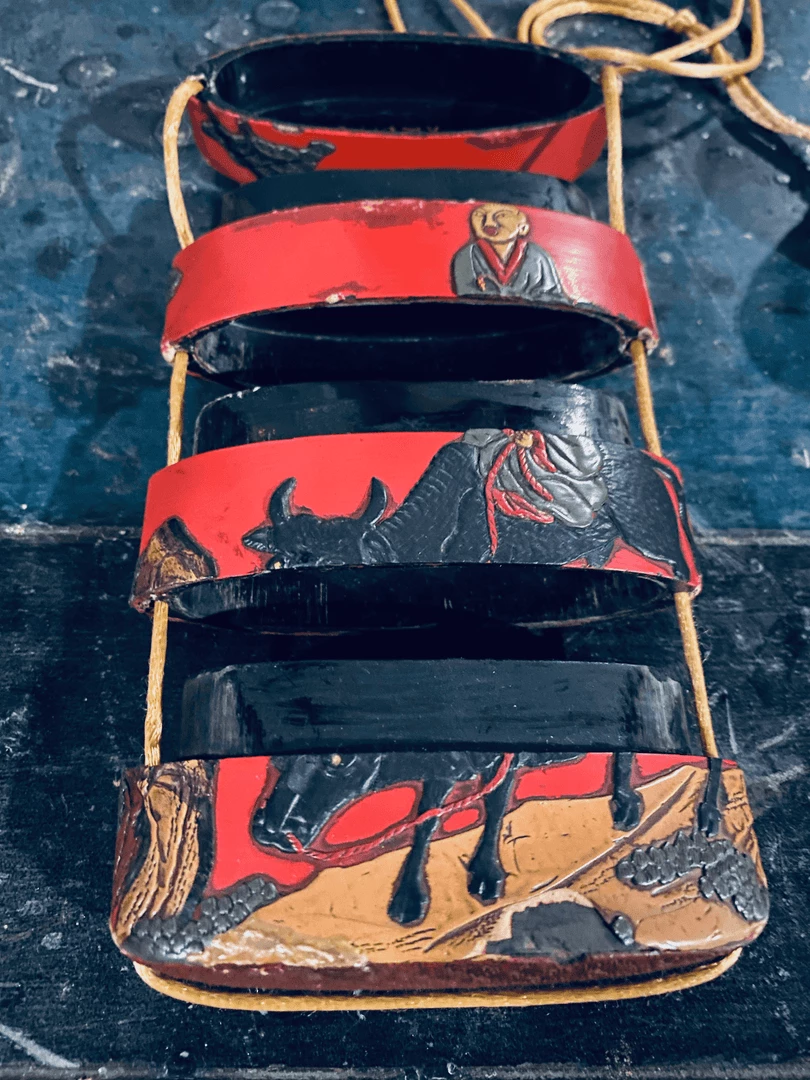
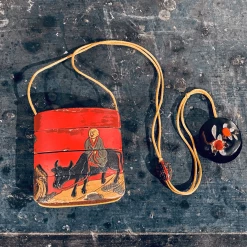
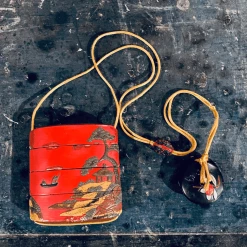
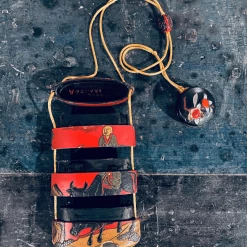
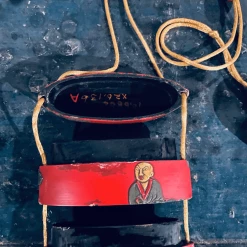
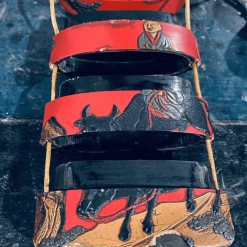
In the 19th century and earlier, the Inro, ojime and netsuke were important for daily dress in Japan. The box, with its small compartments, allowed one to carry medicine, and small valuables on your person. The ojime slide down the cords in order to secure the box, and a netsuike would be used to fasten the inro to the kimono.
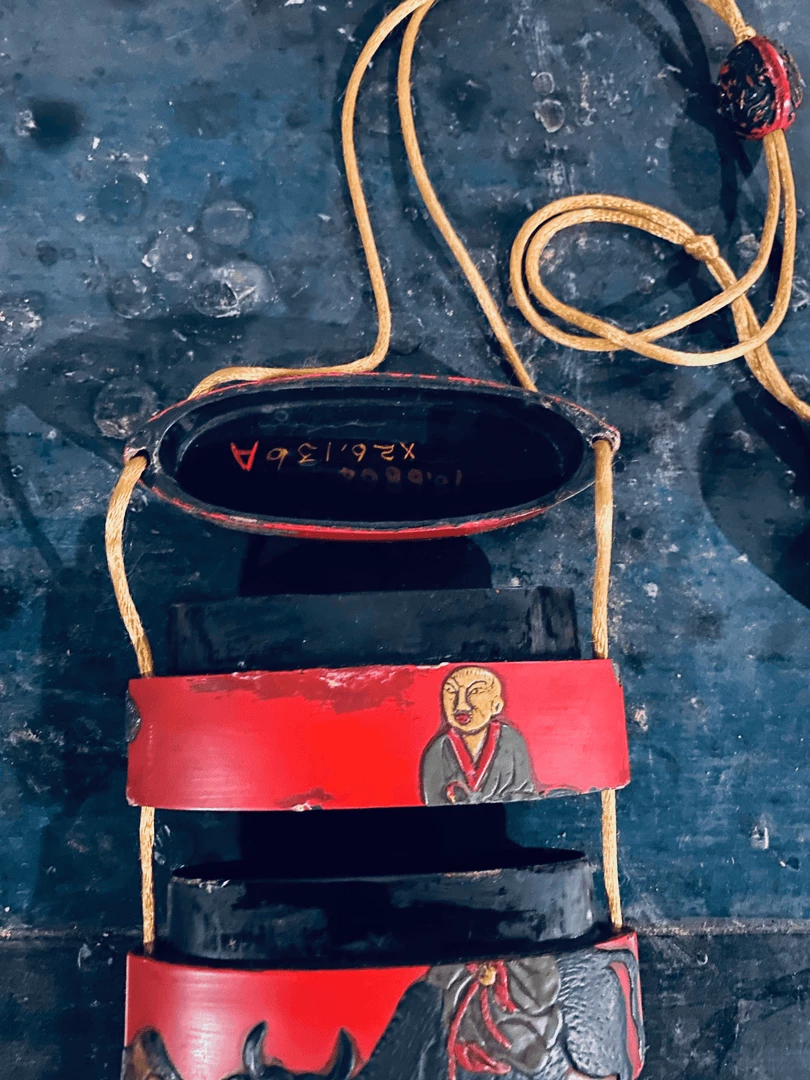
This example is from the collection of the Newark Museum of Art and shows fine detail in lacquer, with a simple ojime and a round floral design netsuke. It is likely from the Edo or Meiji era. The museum accession number has been painted inside the box.
Be the first to review “Tuxedo Park Junk Shop Japanese Inro And Ojime (ex-musuem) New Arrivals”
Related products
Sale!
Original price was: $588.00.$91.99Current price is: $91.99.
Sale!
Original price was: $180.00.$95.99Current price is: $95.99.
Sale!
Original price was: $507.00.$98.99Current price is: $98.99.
Sale!
Original price was: $120.00.$86.40Current price is: $86.40.
Sale!
Original price was: $120.00.$93.60Current price is: $93.60.
Sale!
Original price was: $380.00.$96.99Current price is: $96.99.
Sale!
Original price was: $414.00.$97.99Current price is: $97.99.
Sale!
Original price was: $150.00.$95.99Current price is: $95.99.
Reviews
There are no reviews yet.